‘Left-behind’ places
Rethinking inequalities through local communities
What does it really mean for a place to be “left behind”? Across the UK, the term “left behind places” is often used to describe communities experiencing geographical inequality and deprivation. But what happens when we look beyond statistics and listen to the people who actually live there?
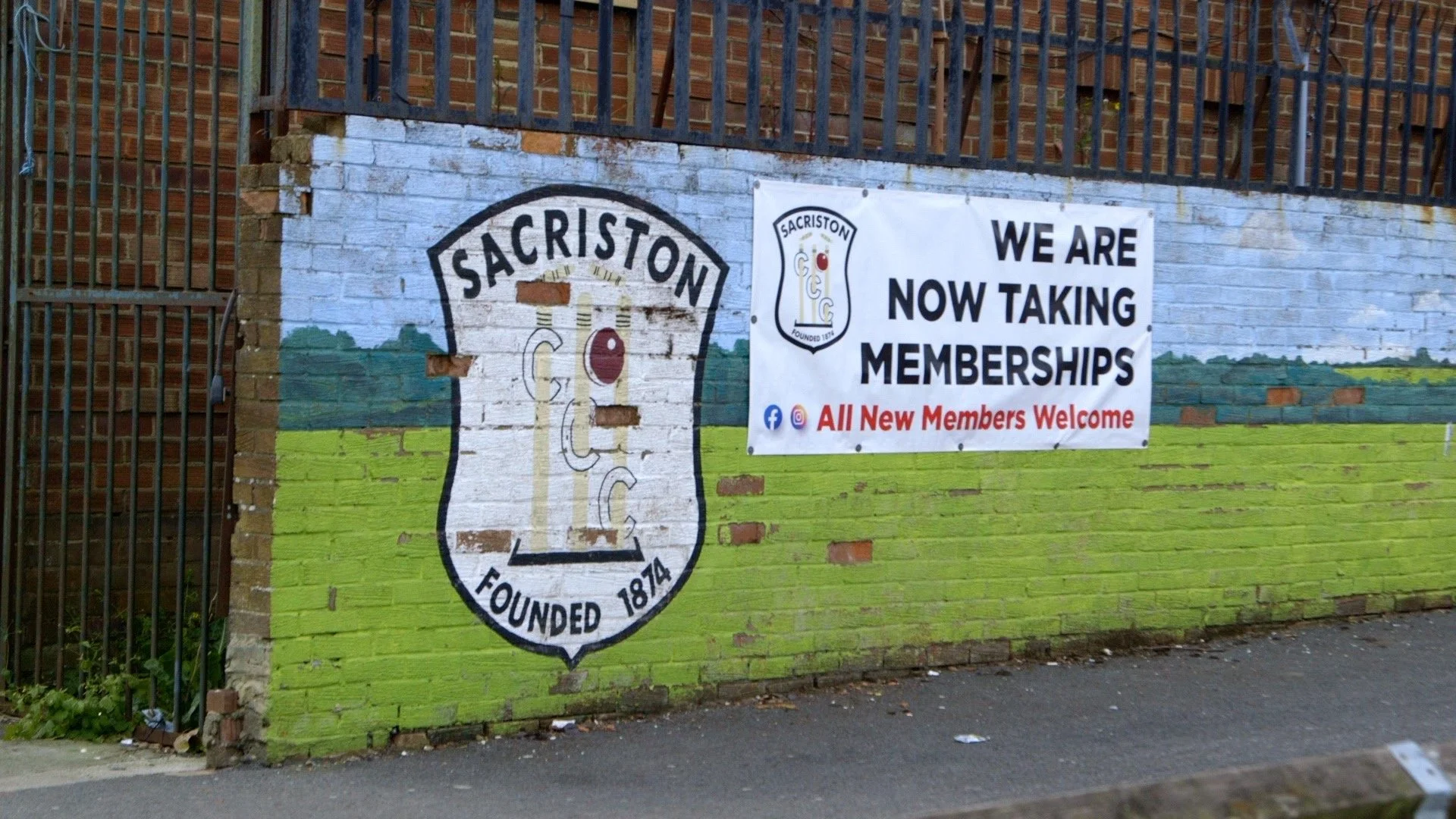
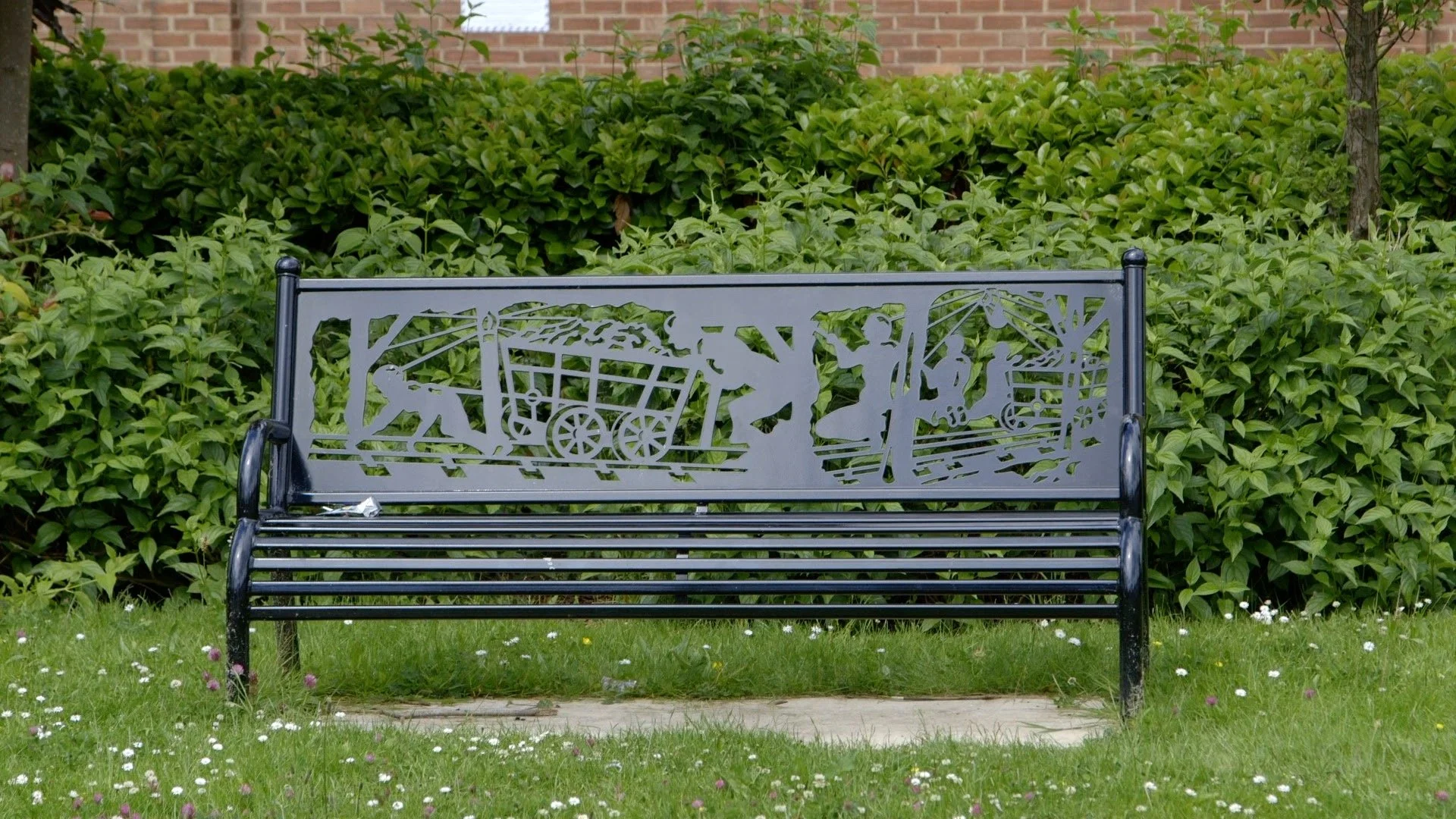
Funded by UCL Grand Challenges, Prof John Tomaney and Dr Florence Sutcliffe-Braithwaite worked with the community of Sacriston, County Durham, to develop a deeper understanding of the area's history, challenges and social infrastructure. They used interviews, focus groups, historical research and collaboration with local organisations, and explored how a more place-based approach could help shape better policy and support stronger communities. The research has contributed to policy conversations at national, regional and local levels and helped secure further funding to explore infrastructure needs for community development.
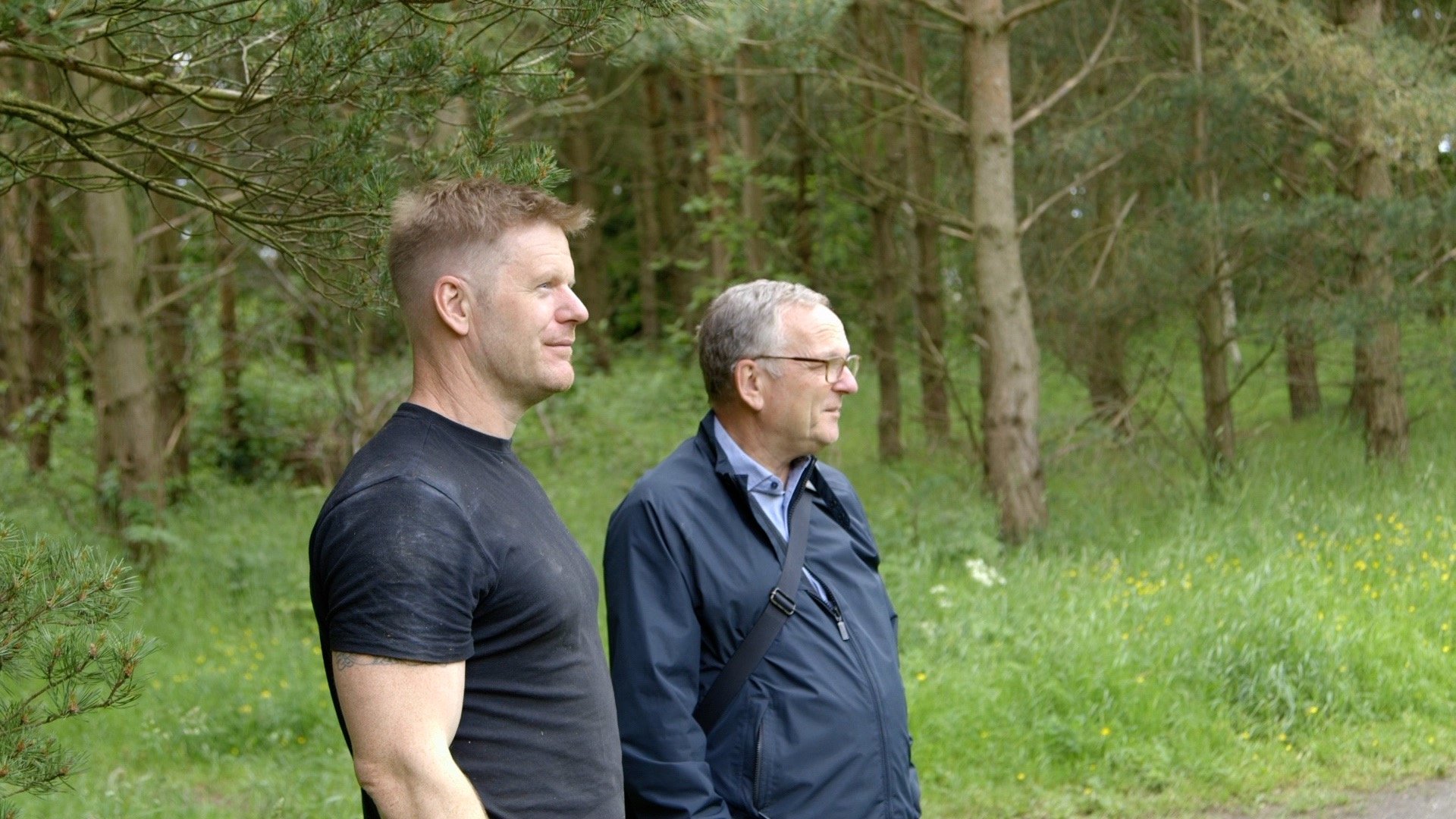
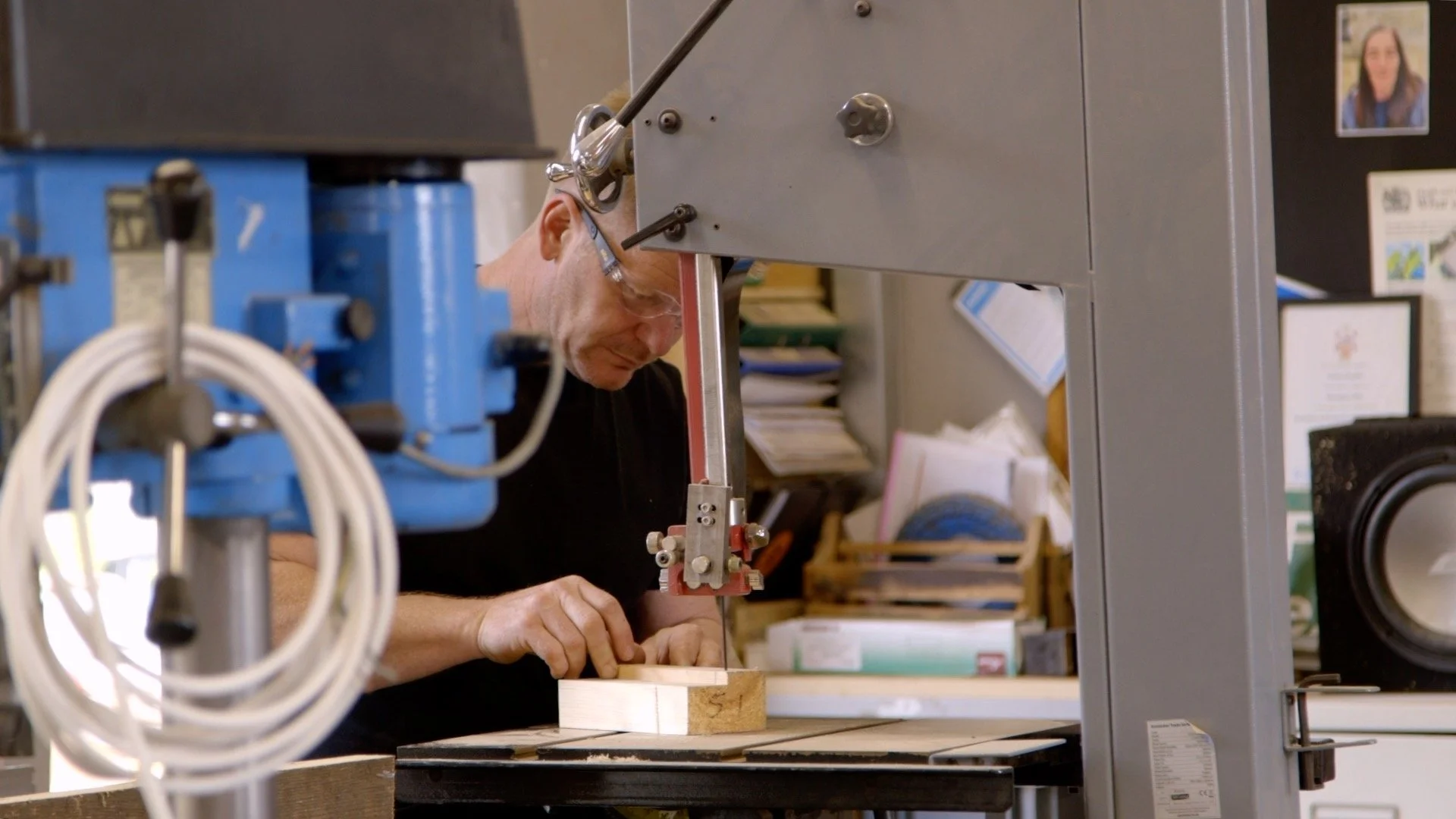
I visited Sacristan with Prof John Tomaney during the summer of 2024, spending time with Nathan Hopkins who runs the social enterprise Woodshed Workshop, which supports the local community through skills learning and wellbeing support. The film explores what being part of the project was like, how a reduction in social infrastructure impacts on a community, why universities should share their knowledge and money, and why funding early stage interdisciplinary research ideas is vital.
UCL Grand Challenges tackles complex global, national and local issues through interdisciplinary research and collaboration - I created four case study films to celebrate 15 years of the initiative in 2024.